Risk Control for Wholesalers — Factory-Direct Low Cost Small Retailers
If you are looking at Low Cost Entry Vape for Small Retailers for the first time, the number of options can be disorienting. This page sets out the practical detail — what to specify, what it costs to land, and where orders usually go wrong — so you can move from enquiry to shipment without guessing.
OEM and Private Label Possibilities
OEM work on Low Cost Entry Vape for Small Retailers is most cost-effective when you change what the factory can already do. A different colour, a printed logo or a reworked carton costs far less than a new mould, and it gets you a recognisable product much faster.
Private label on Low Cost Entry Vape for Small Retailers usually starts with artwork and ends with tooling. In between sit choices about colourways, packaging structure and minimum runs per variant. Understanding which of those carry a setup cost tells you how far you can differentiate without inflating the first order.
Documentation Set You Should Request
Good documentation on Low Cost Entry Vape for Small Retailers tells you who made the goods, when, and to what specification. That matters for traceability if a batch is ever questioned, and it matters for your own stock rotation.
Ask for a complete document set with Low Cost Entry Vape for Small Retailers: invoice, packing list, origin certificate, batch identification and any product-specific test reports. Requesting them during production is routine; requesting them after arrival is a problem.
Keep a single folder per Low Cost Entry Vape for Small Retailers shipment: quotation, approved sample reference, inspection report and shipping documents. Six months later, when you are reordering, that folder is the fastest way to repeat a good result.

Customs, Duties and Compliance Paperwork
Paperwork delays cost more than duties on most Low Cost Entry Vape for Small Retailers imports. A complete set — commercial invoice, packing list, certificate of origin and any product-specific declaration — should be prepared while the goods are in production, not requested the week of arrival.
Classification is the decision that shapes everything else on a Low Cost Entry Vape for Small Retailers shipment. Duty rate, licence requirements and inspection probability all follow from the code used. If you are unsure, get a written classification opinion before the vessel sails, not after the goods are held.
Minimum Order Quantities and Carton Planning
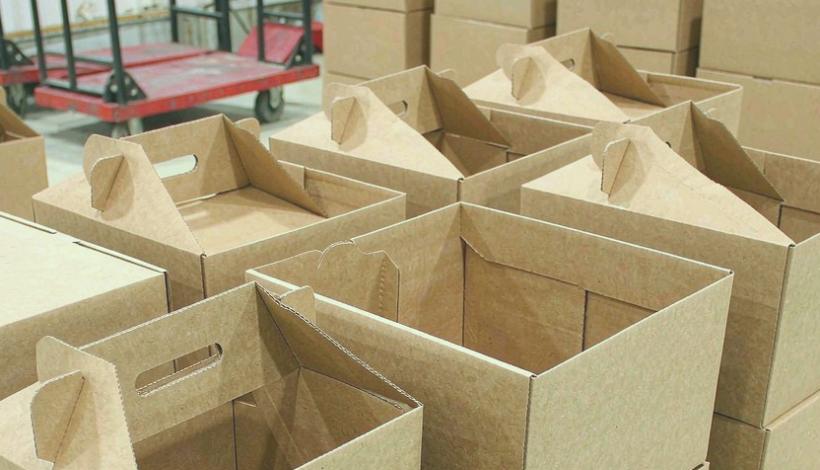
Plan Low Cost Entry Vape for Small Retailers cartons around how the goods will actually be handled: how many times they are transferred, what the last leg looks like, and whether the carton will be opened for inspection. Those answers matter more to damage rates than the carton grade on paper.
MOQ on Low Cost Entry Vape for Small Retailers is usually set by whatever makes a production run efficient, not by any fixed rule. If your requirement is below the standard minimum, ask whether a mixed carton or a shared production slot is possible instead of accepting a large surplus you cannot sell through.
Carton planning decides whether Low Cost Entry Vape for Small Retailers arrives in a condition you can sell. Under-filled cartons deform in transit; over-filled ones split at the seams. Aim for a fill that leaves the carton rigid without compressing the product, and check the stacking height against your pallet pattern.
| Specification | Typical Range | Why It Matters |
|---|---|---|
| Unit specification | 10–9 variant range | Defines what the factory must hold |
| Master carton | 21 units per carton | Drives freight cost per unit |
| Production lead time | 10–9 working days | Sets your reorder point |
| Inspection window | 21 day report turnaround | Must fit before vessel cut-off |
Negotiation Levers That Actually Work
Decide before you negotiate what you actually want from Low Cost Entry Vape for Small Retailers — a lower unit price, better payment terms, or priority production. Chasing all three at once usually means getting none of them.
Volume commitments, predictable scheduling and fast payment are the three levers that genuinely move Low Cost Entry Vape for Small Retailers pricing. Asking for a discount without offering any of them rarely gets you further than the published price list.
Trends Shaping Low Cost Entry Vape for Small Retailers This Year
Three things are shaping Low Cost Entry Vape for Small Retailers in 2026: tighter compliance expectations, shorter product cycles, and buyers who want smaller, more frequent shipments. None of these are dramatic, but together they change what a good supplier looks like.
2026 has been a year of consolidation for Low Cost Entry Vape for Small Retailers. Buyers are trimming ranges and concentrating volume with suppliers who deliver consistently, which favours preparation over improvisation.
The direction of travel for Low Cost Entry Vape for Small Retailers is towards fewer, better-documented products rather than an ever-wider catalogue. Suppliers who can provide consistent documentation are winning orders that used to go purely on price.
How to Compare Suppliers Without Wasting Weeks
Ask every Low Cost Entry Vape for Small Retailers supplier the same five questions and score the answers. Which of them mentions a constraint you had not considered is often the most informative result — it tells you who has actually produced this before.
Compare Low Cost Entry Vape for Small Retailers suppliers on response quality before price. A supplier who answers specification questions precisely, admits what they cannot do, and sends real photographs is usually cheaper to work with than one who simply quotes low.
- Agree the specification in writing before sampling Low Cost Entry Vape for Small Retailers
- Book inspection while there is still time to rework
- Request the full document set during production
- Compare landed cost, not headline unit price
- Keep a reorder calendar instead of reacting to stockouts
If you want to move on Low Cost Entry Vape for Small Retailers, the fastest next step is a specification and a sample. Send us your target quantity and destination and we will come back with options, timings and a landed cost you can compare against what you have today.
Frequently asked questions
How long does a Low Cost Entry Vape for Small Retailers order take to arrive?
Production for Low Cost Entry Vape for Small Retailers commonly runs two to four weeks depending on specification and packaging, with transit added on top. Sea freight adds several weeks, air considerably less. We quote a realistic window rather than a best case.
Are there compliance requirements I should know about for Low Cost Entry Vape for Small Retailers?
Requirements vary by destination and they change. We confirm the current position for your market at the point of order and supply the documentation that supports it, but the importer of record remains responsible for local compliance.
What payment terms are available for Low Cost Entry Vape for Small Retailers?
Standard terms are a deposit with the balance before shipment, with alternatives available for established accounts on scheduled programmes. We will outline what is possible once we understand the size and frequency of your orders.
How do I know the Low Cost Entry Vape for Small Retailers I reorder will match the last batch?
We keep the approved specification and sample reference on file for every order and check against it at inspection. If a component changes, you hear about it before production rather than at delivery.
Can Low Cost Entry Vape for Small Retailers be shipped directly to my retail locations?
Direct-to-store is possible in many markets, though consolidation at a single warehouse is usually cheaper and easier to reconcile. We can quote both so you can compare.
Related reading
Talk to us about low cost entry vape for small retailers bulk
Send us your target quantity, destination and timing. We answer with real options and a landed cost you can compare — normally within one working day.