Contract Terms for Supermarket Buyers — Low Cost Small Retailers Trade
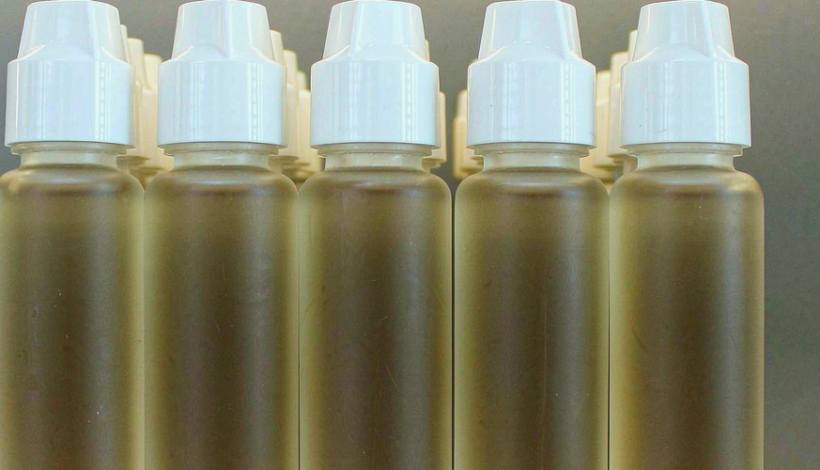
Whether you are replenishing an existing line or evaluating Low Cost Entry Vape for Small Retailers for the first time, the same fundamentals apply: know the specification, know the landed cost, and know who is accountable if something is wrong.
Common Mistakes Buyers Make
The most expensive mistake with Low Cost Entry Vape for Small Retailers is ordering the full quantity before evaluating a sample. Production samples, not showroom units, are what you will receive. Run the sample through the handling it will actually face and only then commit.
The third mistake is treating the first order as the final specification. Low Cost Entry Vape for Small Retailers improves once you feed back what the market did with it. Buyers who treat the first shipment as a test and the second as the real order usually end up with better margins.
Quality Control Steps That Catch Problems Early
Inspection works when it happens before shipment. A pre-shipment check on Low Cost Entry Vape for Small Retailers covering quantity, appearance, function and packaging typically takes a day and costs a fraction of a return. Book it early enough that a failed report still leaves time to rework.
Agree the acceptable defect threshold for Low Cost Entry Vape for Small Retailers in writing before production. Without a number, every inspection becomes a negotiation, and the negotiation always happens when you have the least leverage.
The most useful QC report for Low Cost Entry Vape for Small Retailers is a boring one: carton count, defect rate by category, photographs of the packing method, and a clear pass or fail. Narrative reports that hedge are far less useful than a simple count you can hold someone to.

Specifications Worth Checking Before You Order
Write the specification for Low Cost Entry Vape for Small Retailers the way a warehouse would check it: what can be counted, weighed or measured in five minutes. That phrasing survives the jump from sales team to production line far better than adjectives do.
Three specification lines cause most disputes on Low Cost Entry Vape for Small Retailers orders: capacity tolerance, material grade and finish consistency. Ask for measured values rather than nominal ones, and request photographs of the actual production batch instead of a catalogue render. It takes an extra day and removes most of the risk.
Who Buys Low Cost Entry Vape for Small Retailers and Why
Demand for Low Cost Entry Vape for Small Retailers rarely comes from a single customer type. Some convenience stores want steady replacement stock, others want something seasonal they can merchandise for six weeks. Those two buying patterns need different carton sizes and different delivery windows, so it is worth separating them when you plan.
The buyers behind Low Cost Entry Vape for Small Retailers orders are usually pragmatic. They care about whether the product sells through, whether it arrives intact, and whether the next shipment will match the last one. Everything else is secondary, which is why consistency beats novelty in most reorder conversations.
convenience stores tend to reorder Low Cost Entry Vape for Small Retailers on a rhythm rather than in one large batch. That rhythm is driven by shelf turnover, seasonal footfall and how quickly a flavour or format goes stale in the local market. Understanding who your end buyer is makes the reorder maths much easier.
| Check Point | Method | Acceptance Criteria |
|---|---|---|
| Carton count | Physical count | Must match the packing list exactly |
| Appearance | Random sampling | Defect rate below the agreed threshold |
| Function check | Sampled units | Consistent with the approved sample |
| Packaging integrity | Drop and seal check | No deformation at arrival |
Packaging, Labelling and Shelf Readiness
Labelling rules move, and Low Cost Entry Vape for Small Retailers is no exception. Build a habit of confirming the current requirement for each destination at the point of order rather than reusing last year's artwork file. The cost of a reprint is small; the cost of a detained shipment is not.
Retail-ready packaging changes the economics of Low Cost Entry Vape for Small Retailers more than most buyers expect. Barcodes, language variants and warning statements vary by destination, and fixing them after production means relabelling by hand. Confirm the artwork requirements for your market before the run starts.
Choosing Between Air, Sea and Express
Sea freight suits planned Low Cost Entry Vape for Small Retailers volume, air suits genuine urgency, and express suits samples and small top-ups. Matching the mode to the reason, rather than to the deadline panic, is what keeps freight spend proportionate.
Ask your forwarder for the all-in door-to-door figure for Low Cost Entry Vape for Small Retailers rather than the port-to-port rate. The difference between the two numbers is usually where freight budgets quietly disappear.
For Low Cost Entry Vape for Small Retailers, the break-even between air and sea is mostly about how long your cash is tied up and how quickly the stock turns. Fast-moving lines can justify air; slow ones almost never can.
OEM and Private Label Possibilities
OEM work on Low Cost Entry Vape for Small Retailers is most cost-effective when you change what the factory can already do. A different colour, a printed logo or a reworked carton costs far less than a new mould, and it gets you a recognisable product much faster.
Private label on Low Cost Entry Vape for Small Retailers usually starts with artwork and ends with tooling. In between sit choices about colourways, packaging structure and minimum runs per variant. Understanding which of those carry a setup cost tells you how far you can differentiate without inflating the first order.
- Keep a reorder calendar instead of reacting to stockouts
- Split very large Low Cost Entry Vape for Small Retailers orders across production slots
- Track weekly sell-through to catch the seasonal turn
- Confirm labelling rules for the destination at order time
- Compare landed cost, not headline unit price
Whether you need a single carton to test or a container to fill a season, the process for Low Cost Entry Vape for Small Retailers is the same. Reach out with your requirements and we will respond with specifics rather than a brochure.
Frequently asked questions
Do you ship Low Cost Entry Vape for Small Retailers worldwide?
We ship to most markets by sea, air and express. Where a destination has specific restrictions we will flag them before you order rather than after the goods are in transit.
What happens if a Low Cost Entry Vape for Small Retailers shipment arrives damaged?
Report it within the agreed window with photographs and carton references and we will work through a credit or replacement. This is much faster when an inspection report exists, which is why we recommend one for larger orders.
Can different variants of Low Cost Entry Vape for Small Retailers be mixed in one carton?
Mixed cartons are usually possible and are a good option when you are testing a range or working below a per-variant minimum. There is normally a small packing surcharge, which we will show on the quotation.
What documentation comes with a Low Cost Entry Vape for Small Retailers shipment?
A standard shipment includes commercial invoice, packing list and certificate of origin, with product-specific declarations where the destination requires them. We prepare the set during production so it is ready before the goods arrive.
Do you provide samples of Low Cost Entry Vape for Small Retailers before a bulk order?
Samples are available and we recommend them. A small batch rather than a single unit gives a truer picture of production consistency, and the sample cost is normally credited against a confirmed order.
Related reading
Talk to us about low cost entry vape for small retailers bulk
Send us your target quantity, destination and timing. We answer with real options and a landed cost you can compare — normally within one working day.